[:th]พระราชพิธีเดือนสาม การพระราชกุศลเลี้ยงพระตรุษจีน (กุมภาพันธ์ – มีนาคม)[:en]The Royal Merit-Making Ceremony to Celebrate the Chinese New Year (February – March)[:]
[:th]
[vc_row][vc_column][vc_video link=”https://youtu.be/4e20-P2-2lU” align=”center”][/vc_column][/vc_row][vc_row css=”.vc_custom_1702894555513{padding-top: 30px !important;}”][vc_column][vc_column_text]
พระราชพิธีเดือนสาม
การพระราชกุศลเลี้ยงพระตรุษจีน (กุมภาพันธ์ – มีนาคม)
เมื่อต้นรัตนโกสินทร์มีการถวายภัตตาหารแก่พระสงฆ์ในเทศกาลตรุษจีน ณ พระที่นั่งราชกิจวินิจฉัย บริเวณ ตำหนักแพ ท่าราชวรดิฐ กำหนดให้พระบรมวงศานุวงศ์ ข้าราชการฝ่ายหน้าฝ่ายใน จัดเรือขนมจีนโดยเสด็จพระราชกุศลมาถวายพระสงฆ์ 3 วัน ในรัชกาลที่ 4 โปรดให้ถวายเกาเหลาแทนขนมจีน และในรัชกาลที่ 5 กลับมาถวายขนมจีน ต่อมายกเลิกไปในที่สุด
[/vc_column_text][vc_empty_space height=”20px”][/vc_column][/vc_row]
[:en][vc_row css=”.vc_custom_1702894555513{padding-top: 30px !important;}”][vc_column][vc_column_text]
The Royal Merit-Making Ceremony to Celebrate the Chinese New Year
(February – March)
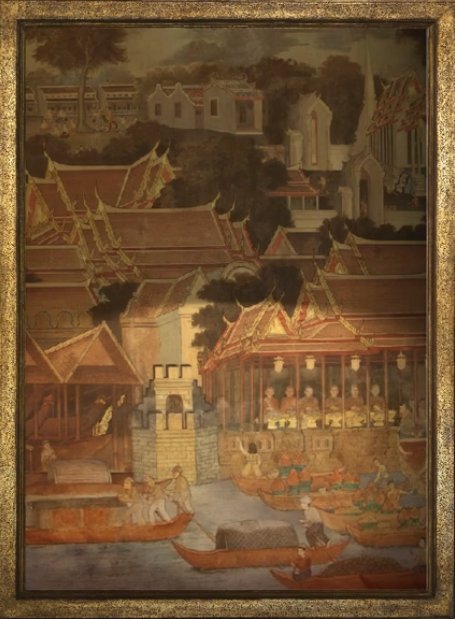
The royal ceremony of the early Rattanakosin era which involved food offering for monks during Chinese New Year at Rajakich Vinicchaya Hall, located next to Tamnak Phae, Tha Rajavoradith Pier. With royal permission granted, royal members as well as male and female court officials prepared boats of rice noodles for monks for 3 consecutive days. The offering of rice noodles was changed to Kao Lao dishes (Chinese style soup without noodles) during the reign of King Rama IV. Later, King Rama V brought back the tradition of offering rice noodles until the ceremony was eventually discontinued.
[/vc_column_text][vc_empty_space height=”20px”][/vc_column][/vc_row][:]